Cats Chase Lights

Pankaj Singh
| 13-03-2026
 · Animal team
Have you ever noticed your cat zooming around the house like it's on a mission, staring intensely at you, or hunting an elusive red dot? While these behaviors might seem like strange quirks, they actually have deeply rooted explanations tied to your cat's instincts and biology.
From chasing lights to intense gazing and unexpected bursts of energy, there's a method behind these seemingly random antics.
The Zoomies: A Burst of Energy
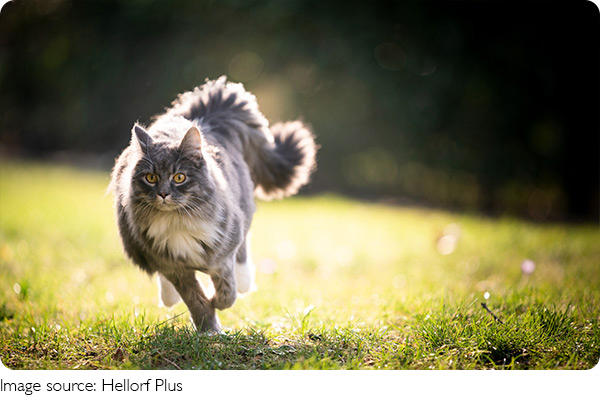
If you've ever watched your cat suddenly sprint through the house, darting between rooms at full speed, you've seen what's known as the "zoomies." This burst of chaotic energy, where cats appear to lose control of their movements, is common and often happens at night or after a long nap.
The scientific explanation behind zoomies is tied to your cat's natural instincts. Cats, particularly younger ones, have bursts of pent-up energy they need to release. These quick sprints simulate hunting behaviors in the wild. Wild cats often engage in short, intense chases when catching prey. By mimicking this behavior in the safety of your home, your cat is simply getting out some of its natural hunting energy.
These energetic outbursts also help your cat stay physically fit. It's a great way for them to burn off excess energy, and while it might seem like they're just being silly, they're actually maintaining their strength and agility.
Why Cats Stare: The Meaning Behind the Gaze
If your cat locks eyes with you, it can feel a bit unnerving. Cats are known for their intense stares, but these gazes aren't always as ominous as they may seem. In fact, a cat's stare is often a sign of affection or trust.
In the wild, a direct stare can be a challenge or a threat, but domesticated cats are more likely to use eye contact to communicate affection and bonding. When your cat stares at you, it's often a way of saying, "I trust you." If your cat blinks slowly while staring, it's giving you a "cat kiss," a sign of comfort and relaxation.
However, cats can also stare out of curiosity or to assert their presence. When they're looking at you with intent, they may simply be studying your behavior or trying to figure out what you're doing. It's a sign that your cat is paying attention and feels comfortable enough to observe you closely.
Chasing the Red Dot: The Fascination with Laser Pointers
Laser pointers are one of the most popular toys for cats, and if you've ever used one, you know just how obsessed your cat can get. But why are they so fascinated by that little red dot? The answer lies in your cat's hunting instincts.
Cats are natural hunters, and their eyes are finely tuned to detect movement, especially small, fast movements. The laser pointer mimics the erratic movements of prey, triggering your cat's chase instinct. Even though they can never catch the dot, the thrill of the chase is enough to keep them engaged. It stimulates their brains and gives them a sense of satisfaction, even though the "prey" always escapes.
Interestingly, this behavior can also serve as mental stimulation. The excitement of the chase keeps your cat's mind sharp and active, preventing boredom. However, it's important to give your cat a real, tangible toy to catch occasionally, so they don't become frustrated by always chasing an elusive target.
Why These Behaviors Matter: Instincts at Play
All these quirky behaviors—zoomies, staring, and chasing light—stem from deep-seated instincts. Even though our cats live in our homes, their biological drives are still very much alive. They are built to hunt, explore, and engage with their environment in specific ways.
Hunting instincts: Behaviors like zooming and chasing reflect the predator within. Even domesticated cats still rely on these instincts to keep them active and alert.
Emotional connections: Staring, especially with slow blinks, shows a deep emotional bond between you and your cat. It's their way of expressing love and trust.
Mental stimulation: Engaging in games like chasing a laser helps keep your cat's mind sharp and prevents boredom. Mental and physical activity is key to their overall well-being.
What You Can Do to Encourage Healthy Behaviors
Now that you understand the reasons behind your cat's "strange" habits, how can you support their well-being? Here are a few tips to encourage healthy, instinct-driven behavior:
Provide regular playtime: Help burn off excess energy by offering interactive toys, such as wand toys or puzzle feeders, that stimulate your cat's hunting instincts.
Encourage bonding: Take time to engage with your cat by maintaining eye contact and offering slow blinks. These moments of connection can strengthen your relationship.
Prevent frustration: If your cat is always chasing the laser pointer, be sure to give them a toy they can actually catch. This will prevent them from becoming overly frustrated or fixated on an unattainable goal.
Embrace the Quirks
So, next time your cat is darting across the room in a frenzy or giving you an intense stare, remember that these behaviors are more than just quirks—they're deeply ingrained instincts at work. By understanding what's behind these actions, you can better appreciate the unique ways in which your cat expresses itself. Whether they're letting off steam with a sprint, seeking affection with a gaze, or indulging their inner hunter with a red dot, your cat is simply being itself. And that's something to celebrate!