Horse Riding Essentials

Declan Kennedy
| 13-03-2026
 · Sport team
The moment you approach a horse, there's a quiet thrill—the animal's warmth, the steady rhythm of its breathing, and the way its ears flick in curiosity.
Riding isn't just a sport; it's a conversation with a living, sensitive partner.
Whether it's a short trail ride or a longer lesson, being prepared can make the experience safer, more comfortable, and genuinely enjoyable. Every step, from mounting to dismounting, matters, and understanding the horse's needs is as important as mastering your own balance.
Preparing Yourself
Riding starts long before you set foot in the stirrups. Physical and mental preparation is crucial.
Wear the right gear: Helmets are mandatory for safety, and boots with a small heel prevent slipping through the stirrup. Comfortable riding pants or leggings reduce chafing and allow freedom of movement. Gloves can protect your hands and provide better grip on the reins.
Warm up your body: Gentle stretches for the legs, back, and shoulders help maintain flexibility and reduce the risk of strains. Even 5–10 minutes of basic stretches before riding can make a noticeable difference.
Mental readiness: Horses respond to your energy. Approach calmly, speak in a gentle tone, and visualize a smooth ride. Nervousness can transfer to the horse, making it uneasy.
Actionable example: Stand beside the horse, gently rub its neck, and take three deep breaths to settle your nerves before mounting.
Mounting and Positioning
Proper technique in mounting ensures both your and your safety and the horse's comfort.
Mounting: Approach the horse from its left side. Check that the girth is secure and stirrups are adjusted to your leg length. Hold the reins in your left hand, place your left foot in the stirrup, and swing your right leg over gently.
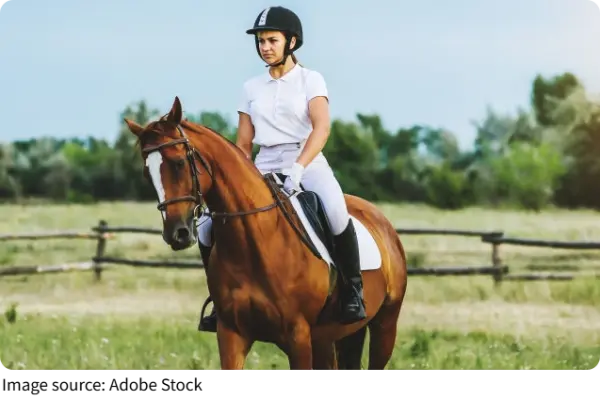
Riding posture: Sit tall, shoulders relaxed, and heels down. Keep a soft bend in your elbows, allowing subtle communication with the horse through the reins. Your weight should be evenly distributed, avoiding leaning forward or backward. A correct vertical line should run from your ear through your shoulder, hip, and ankle.
Balance and core control: Engage your core muscles to maintain stability. Riding without gripping tightly with your knees helps you move fluidly with the horse.
Actionable example: Practice rising trot exercises under a trainer's guidance to strengthen balance and get comfortable with natural horse movements.
Communicating with the Horse
A ride is a dialogue, with cues and responses guiding every movement.
Using reins: Light pressure indicates direction, while gentle release signals the horse to slow or stop. Avoid jerking; consistent, steady contact communicates clearly.
Leg aids: Squeezing gently with your calves or shifting weight encourages forward movement or turns. Timing is critical—apply pressure just as you expect the horse to respond.
Voice commands: Horses can recognize simple cues like “walk,” “trot,” or “whoa.” Keep your tone calm and consistent, which reinforces learning and trust.
Actionable example: On your first ride, practice transitions between walk and trot, using both leg pressure and gentle verbal cues, to develop coordinated communication. The rider's seat, legs, and hands are the primary means of nonverbal communication.
Trail and Outdoor Riding
Riding outside adds scenery and variety, but brings additional safety considerations.
Check the route: Ensure paths are safe, free from hazards like loose rocks or low-hanging branches. Start with shorter trails before attempting long rides. Always plan your route and let someone know where you are going and when to expect your return, especially if riding alone .
Pace yourself: Horses, like humans, need breaks. Stop every 20–30 minutes on longer rides to offer water and check tack adjustments.
Environmental awareness: Be alert for other riders, cyclists, or wildlife. Maintain distance and avoid sudden movements that could startle the horse. When passing others, slow down, walk, and speak to them; never just ride by quickly.
Actionable example: Before a morning trail ride, inspect the horse's shoes and girth straps, then walk the first 5 minutes of the trail to gauge footing conditions.
Ending the Ride Safely
A careful finish helps both you and the horse recover comfortably.
Cooling down: Walk the horse for 5–10 minutes after more intense activity to prevent stiffness and aid circulation. Continue cooling down after dismounting by walking or hand-walking for at least 10-15 minutes to help regulate breathing and temperature.
Dismounting: Hold the reins in one hand, swing your leg over carefully, and step down gently. Always dismount from the left side. Avoid jumping off, which can unbalance both you and the horse.
Post-ride care: Brush the horse to remove sweat and check for any minor cuts or irritation. Offer water and ensure the tack is cleaned and stored properly. Loosen the girth slightly after dismounting to increase comfort.
Actionable example: Keep a small first-aid kit for minor scrapes, both for yourself and the horse, in your tack area—preparation reduces stress if minor incidents occur.
Horse riding is a rewarding activity that combines skill, patience, and connection. Each ride teaches you more about balance, observation, and communication, turning every trail or lesson into an opportunity to grow. By preparing carefully, riding mindfully, and finishing safely, you ensure every session is enjoyable and safe for both rider and horse. Next time you saddle up, take a moment to breathe, connect, and enjoy the unique rhythm of riding together.