Vintage Cars

Naveen Kumar
| 28-01-2026
 · Automobile team
There's something magical about spotting a gleaming 1950s convertible cruising down a quiet street.
Its curves, chrome details, and engine hum evoke an era when cars were more than machines—they were statements of style and ambition.
Vintage cars aren't just old vehicles; they're rolling pieces of history, each with a story waiting to be discovered.
Defining Vintage Cars
Vintage cars typically refer to vehicles manufactured between the 1910s and late 1930s, though some enthusiasts extend the term to include cars up to the 1970s. They are distinct from “classic” or “antique” cars, which have different age or rarity criteria.
Actionable example: If you're exploring car shows or auctions, knowing these distinctions helps you understand value. A 1928 Ford Model A, for instance, is considered a vintage car, while a 1965 Mustang falls into the classic category. Recognizing the era guides restoration priorities and market pricing.
These cars are valued not only for age but also for craftsmanship, unique design elements, and historical significance. Many vintage vehicles feature hand-stitched interiors, polished wooden dashboards, and custom paintwork—details rarely seen in modern mass-produced cars.
Preserving History Through Restoration
Restoring a vintage car is both an art and a technical challenge. Maintaining authenticity is critical; collectors often seek original parts, paint colors, and trim details to preserve historical accuracy.
Actionable example: When restoring a 1930s Cadillac, sourcing original carburetors or chrome fixtures from specialized suppliers ensures the car retains its value and period-correct look. Restoration isn't just cosmetic—it often involves engine rebuilding, wiring replacement, and suspension updates.
Regular maintenance is essential. Older vehicles require careful attention to oil changes, fuel systems, and brake components. Owners often join vintage car clubs to share tips, source parts, and participate in group events. This community knowledge helps prevent costly mistakes and preserves the car's heritage.
Why Collectors Value Vintage Cars
Vintage cars carry emotional, historical, and financial value. For many collectors, the appeal lies in nostalgia and the tactile experience of driving a machine from another era. Unlike modern vehicles with digital interfaces, these cars demand engagement, from manual gear shifts to mechanical throttle response.
Actionable example: A collector might invest in a restored 1937 Packard because of its combination of luxury, rarity, and historical significance. Driving it during a weekend rally offers a connection to automotive history that no modern car can replicate.
Rarity drives value. Limited production models or cars with unique provenance often fetch high prices at auctions. Original documentation, previous ownership by notable figures, or participation in historic races can increase desirability significantly.
Practical Tips for Vintage Car Enthusiasts
Owning a vintage car requires careful planning and practical considerations:
1. Storage: Keep the car in a climate-controlled garage to prevent rust, leather cracking, or paint fading.
2. Insurance: Specialized vintage car insurance covers agreed value, restoration, and occasional driving.
3. Driving: Vintage cars are best enjoyed on leisurely drives rather than daily commutes, reducing wear and tear.
Actionable example: A 1940s Rolls-Royce owner might schedule monthly short trips to maintain engine health while avoiding heavy city traffic that could stress older systems. Regular cleaning and lubrication preserve mechanical and aesthetic integrity.
Engaging with the Community
The vintage car world is rich with clubs, events, and rallies. Enthusiasts exchange tips, showcase vehicles, and share restoration experiences. Participating in these communities can provide inspiration, access to rare parts, and insights into the car's history.
Actionable example: Joining a regional vintage car rally can introduce you to experienced restorers who might offer guidance on sourcing original upholstery or paint techniques specific to your model. Networking in this way enriches the ownership experience and connects you with like-minded enthusiasts.
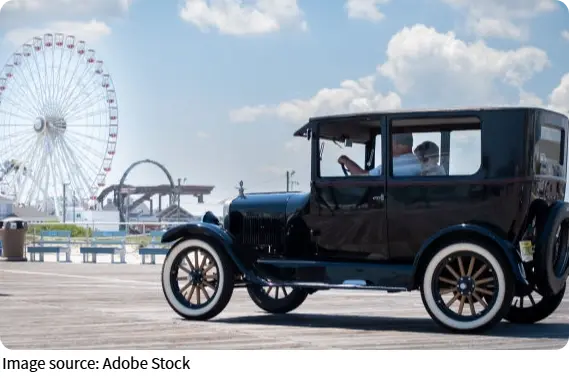
Owning a vintage car is more than possessing a vehicle; it's about preserving history, craftsmanship, and style. Each drive offers a glimpse into a bygone era, a reminder of how automotive design has evolved. For collectors, enthusiasts, and casual admirers alike, vintage cars provide a unique blend of nostalgia, engineering marvels, and aesthetic pleasure—an enduring testament to the artistry of motoring's past.