Can Motorcycles Go Green?

Raghu Yadav
| 26-01-2026
 · Automobile team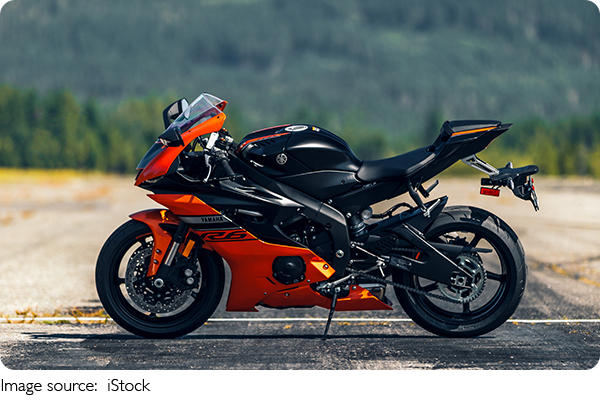
Picture this: you're stuck in traffic, cars idling on all sides, fumes rising in the heat. A motorcycle slips past, weaving efficiently toward the open road.
It's a small reminder that two wheels don't just mean freedom—they can also mean a lighter footprint. But how strong is the connection between motorcycles and environmental sustainability?
Fuel Efficiency and Emissions
One of the clearest advantages of motorcycles is fuel efficiency. Most bikes use far less fuel than cars, especially smaller models or scooters designed for city commuting. Less fuel burned generally means fewer emissions.
A typical commuter motorcycle might average 50–70 miles per gallon, compared to a compact car's 30–40.
Smaller engines naturally produce fewer emissions, though this varies by model and maintenance.
Frequent tune-ups, clean filters, and proper tire pressure can further reduce fuel use and emissions.
However, it's worth noting that not all motorcycles are automatically “green.” High-performance bikes with large engines can actually emit more pollutants than smaller cars. Sustainability isn't just about riding a motorcycle—it's about what kind of motorcycle you ride and how you maintain it.
Electric Motorcycles on the Rise
The push toward sustainability has fueled growth in electric motorcycles. These bikes eliminate tailpipe emissions entirely and are becoming more practical with improvements in battery range and charging speed.
For city dwellers, electric motorcycles or scooters can cover daily commutes easily on a single charge. Charging overnight at home is often enough to keep them running. The biggest challenge remains infrastructure—fast-charging stations aren't yet as widespread as gas pumps.
Still, with urban areas prioritizing cleaner air and quieter streets, electric motorcycles are carving out a meaningful role in the future of transportation.
Space and Road Impact
Sustainability isn't only about emissions. It's also about how vehicles affect the space we live in. Motorcycles take up less road and parking space, which can ease congestion in crowded cities. Fewer cars stuck in traffic mean less idling and less wasted fuel overall.
On top of that, lighter vehicles like motorcycles cause less wear and tear on roads. That translates to reduced repair needs, fewer construction materials used, and lower overall environmental impact over time.
Riding Habits That Make a Difference
The way you ride can be just as important as what you ride. Sustainable riding habits aren't complicated, but they add up.
1. Smooth acceleration and braking use less fuel than aggressive riding.
2. Regular maintenance keeps engines clean and efficient.
3. Carpooling on motorcycles—yes, even with just one passenger—can cut emissions per person.
Small changes in habits can shift motorcycles from simply being efficient machines to becoming part of a more sustainable lifestyle.
The Recycling and Materials Factor
Another piece of the sustainability puzzle is what happens when motorcycles reach the end of their life cycle. Many parts—metal frames, tires, batteries—can be recycled or repurposed. Electric motorcycle batteries, in particular, are being researched for second-life uses, like energy storage for homes.
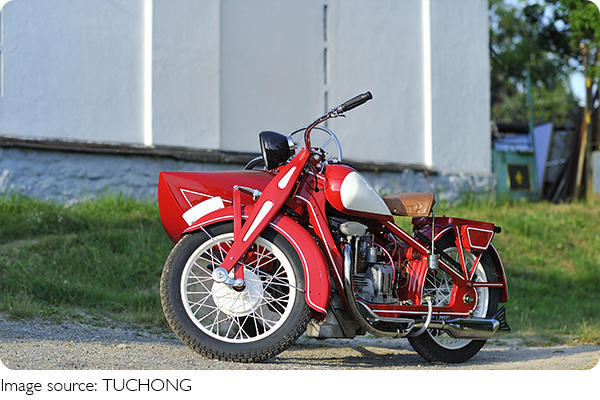
Choosing durable motorcycles and quality accessories also reduces waste. A well-maintained bike can last decades, creating less turnover and fewer discarded materials compared to fast-replaced vehicles.
Balancing Passion and Responsibility
Motorcycles have always been about more than practicality. They're about joy, independence, and identity. The sustainability angle doesn't need to take that away—it can actually add meaning to the ride. Knowing that your choices, from the model you buy to the way you maintain it, can reduce your environmental impact makes the road feel different.
It's not about perfection. Even if you ride a gas-powered bike, maintaining it well, riding responsibly, and considering future upgrades to an electric bike all contribute to the bigger picture.
Sustainability is rarely a black-and-white choice. It's a collection of small, everyday decisions. For riders, it might be as simple as checking tire pressure before a trip, picking a fuel-efficient model, or exploring electric options as they become more available.
In the end, motorcycles won't single-handedly solve environmental challenges. But they can play a role—sometimes a surprisingly big one—in making transportation more efficient and cities more livable. And maybe, just maybe, each ride can remind us that freedom on the open road doesn't have to come at the planet's expense.