Self-Driving Cars

Owen Murphy
| 26-01-2026
 · Automobile team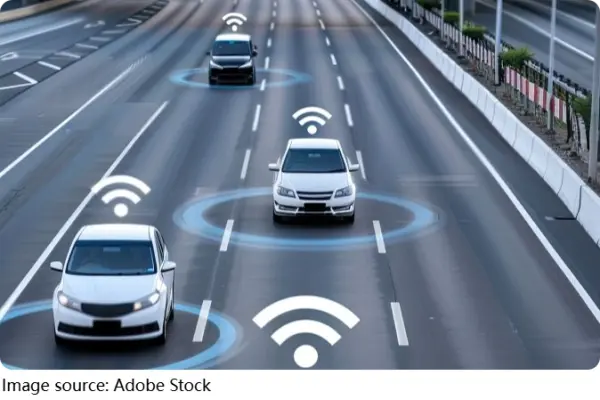
You're driving down the road, hands off the wheel, watching your car navigate traffic on its own.
The era of self-driving cars is closer than many realize, and it's not just the way we drive that's changing—our insurance models are about to be rewritten too.
Shifting Responsibility
Traditionally, car insurance focuses on the driver. Premiums are calculated based on age, driving history, and location. With autonomous vehicles, the lines of responsibility blur:
1. Manufacturers become part of the liability chain. If the car malfunctions, is it the driver's fault or the software's?
2. Insurers may start offering product liability coverage for car systems instead of personal driver coverage.
3. Legal frameworks are still catching up, creating uncertainty about who pays when accidents occur.
This shift fundamentally changes risk assessment. Accidents may become less frequent but potentially more expensive when they involve system failures.
Data-Driven Premiums
Self-driving cars collect enormous amounts of data: speed, braking, route choices, even environmental conditions. This data offers insurers unprecedented insight:
1. Premiums can be personalized based on actual driving patterns rather than demographic averages.
2. Real-time monitoring could reward safe driving automatically with lower rates.
3. Conversely, risky behaviors—or system misuse—can be flagged immediately, influencing premiums dynamically.
The result is a move from broad statistical models to precision-based insurance. Insurers can calculate risk with greater accuracy, potentially saving money for responsible users.
Reducing Accident Frequency
Studies suggest autonomous vehicles could reduce human error-related accidents by up to 90%. Fewer accidents mean:
1. Fewer claims, which may drive overall premiums down.
2. Smaller pools of high-risk drivers, changing how insurers allocate resources.
3. A shift in focus from accident payouts to system reliability and maintenance coverage.
While this is promising, it also means insurers may need to adapt to new types of claims, such as software glitches or sensor failures.
New Insurance Products
Autonomous vehicles open the door to entirely new insurance products:
1. Software coverage, including updates and patches.
2. Cybersecurity insurance to protect against hacking of car systems.
3. Shared liability plans for ride-hailing autonomous fleets.
These products emphasize technology over traditional driver behavior, reflecting how cars themselves become central to risk management.
Ethical and Privacy Considerations
Collecting data from cars raises privacy questions. Insurers might require access to trip histories, speed patterns, and sensor readings:
1. Drivers must consent to how data is used.
2. Policies need transparency to avoid misuse or unfair penalties.
3. Balancing privacy with risk assessment becomes a critical ethical challenge.
Ethical insurance models will be as important as technological ones, ensuring drivers aren't penalized unfairly while still incentivizing safe behavior.
Preparing for the Transition
For consumers, understanding how autonomous cars affect insurance is essential:
1. Research how new policies allocate responsibility between you and the manufacturer.
2. Compare premiums for vehicles with varying levels of automation.
3. Stay informed about data usage policies and your rights regarding personal information.
The transition won't happen overnight, but being proactive can save money and prevent surprises.
Looking Ahead
Autonomous cars are more than a convenience—they're reshaping the entire insurance ecosystem. The future may favor vehicles with advanced safety features, real-time monitoring, and clear liability frameworks.
Insurance will evolve from judging drivers to evaluating systems, data integrity, and technological reliability. For anyone considering a self-driving car, understanding these changes isn't optional—it's part of navigating a safer, smarter road ahead.