Driving the Green Shift

Chandan Singh
| 28-01-2026
 · Automobile team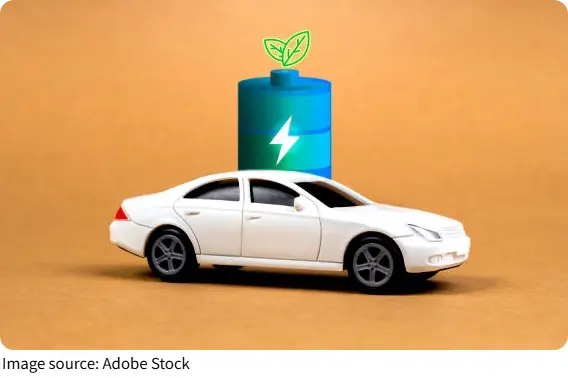
When you pull into a parking lot today, you might notice more than just familiar car shapes.
Sleek electric models hum quietly beside hybrids, while traditional engines gradually fade into the background.
The automotive world is in the midst of a green revolution, and it's transforming not just vehicles, but how we think about travel, energy, and responsibility.
The Rise of Electric Mobility
Electric vehicles (EVs) are no longer futuristic concepts—they're becoming everyday choices. With battery technology improving rapidly, EVs now offer longer ranges, faster charging, and more affordable options for everyday drivers.
Actionable example: If you're considering your next car, explore models like compact city EVs for daily commutes. They often cost less to maintain, produce zero tailpipe emissions, and benefit from government incentives.
The transition isn't just about replacing engines—it's about creating a new mindset where energy efficiency and sustainability are key factors in car ownership. Charging stations are expanding in cities and along highways, making EVs increasingly practical for longer trips.
Hybrid Innovations
Hybrids bridge the gap between traditional combustion engines and full electric systems. They combine gasoline or diesel engines with electric motors to reduce fuel consumption and emissions. This approach is particularly useful in areas where charging infrastructure is still developing.
Actionable example: A hybrid sedan can cut fuel costs by 20–30% compared with a standard gasoline car. For families or frequent travelers, hybrids offer a practical and environmentally friendly compromise.
Hybrids also introduce drivers to regenerative braking, which recaptures energy that would otherwise be lost. This subtle technology encourages more efficient driving habits, supporting the broader goal of reducing emissions.
Material and Design Changes
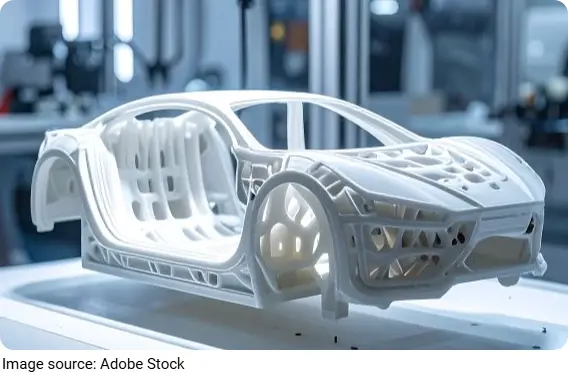
The green revolution extends beyond powertrains. Automakers are experimenting with lightweight materials, recycled components, and eco-friendly paints to reduce environmental impact. Aluminum, carbon fiber, and even bioplastics are being incorporated into modern car designs to enhance efficiency without sacrificing safety or style.
Actionable example: Look for vehicles featuring recycled interior fabrics or sustainable trim materials. These choices may seem small, but when multiplied across thousands of cars, they make a measurable difference.
Aerodynamic design is another focus. Sleeker profiles reduce drag and improve energy efficiency, helping both EVs and traditional cars consume less fuel over time. Designers are now balancing aesthetics with environmental performance, showing that eco-conscious choices can also be visually striking.
Charging Infrastructure and Renewable Energy
A key component of the automotive green shift is charging infrastructure. The faster and more accessible public charging stations become, the easier it is for consumers to adopt electric vehicles. Pairing these stations with renewable energy—like solar or wind—amplifies the environmental benefits.
Actionable example: Installing a home solar charging system allows EV owners to use sunlight to power their daily commutes. This reduces electricity costs and carbon footprint simultaneously.
Cities are beginning to integrate EV-friendly policies, from dedicated lanes to priority parking for electric models. These measures not only support cleaner transportation but also influence urban planning and energy grids.
Consumer Awareness and Lifestyle Changes
Ultimately, the green revolution in cars relies on informed and conscious consumers. Choosing an eco-friendly vehicle is often the first step, but driving habits, maintenance routines, and even route planning play a role in minimizing environmental impact.
Actionable example: Using apps to monitor energy consumption or plan efficient routes can lower emissions and extend battery life. Simple adjustments, like moderate acceleration and consistent speeds, also make a noticeable difference.
Beyond personal benefits, visible adoption of green cars encourages broader societal shifts. As more people choose sustainable options, manufacturers respond with new models and innovations, reinforcing a positive cycle of environmental responsibility.
The automotive world is entering a pivotal era. Whether it's through electric power, hybrid efficiency, sustainable materials, or smarter infrastructure, the choices we make today will define mobility tomorrow. Driving green isn't just about the car—it's about embracing a lifestyle that values the planet without compromising convenience or style.